


FOUNDED IN THE 12TH CENTURY BY THE CISTERCIAN ORDER , “MONASTERIO DE PIEDRA” IS TODAY A VERY ATTRACTIVE TOURIST DESTINATION
Protected by a medieval wall that still has its beautiful keep or Homage Tower in perfect conditions, Monasterio de Piedra is a unique site. A place where you can visit an authentic thirteenth century Cistercian Monastery where history fills every corner, as well as an amazing nineteenth century Historic Garden Park full of charming waterfalls and extraordinary flora.
To spend an entire day (or perhaps several), its location in one of the most beautiful areas of Aragon and its complete tourist infrastructure, with a fantastic Hotel & Spa, restaurants like “Reyes de Aragón” or “Piedra Vieja”, and a very interesting gift shop, make of the Monasterio de Piedra the best place to escape and just enjoy and relax with family, friends, or even alone… Discovering its magic is specially surprising when you walk around the Historic Garden Park.
The amazing richness present in Monasterio de Piedra, both in terms of history and of nature, make of it a unique place in Europe. OPEN ALL YEAR LONG.

1186
KING ALFONSO II DONATES THE LANDS TO THE MONKS OF THE MONASTERIO DE POBLET (CISTERCIAN ORDER, TARRAGONA)
1194
12 MONKS FROM MONASTERIO DE POBLET BEGIN THEIR JOURNEY TOWARDS “PIEDRA”IN ZARAGOZA

1195
DONATION OF “SEÑORIO DE PIEDRA” (SEIGNIORY OF PIEDRA)
In 1195 King Alfonso II ratifies his donation of Piedra’s domains to the Cistercian monks of Poblet, giving them complete control and jurisdiction over its territories. Photo: Letter of privilege of the foundation of the Monasterio de Piedra granted by Alfonso II in 1195. Today kept in the National Historical Archive (Madrid).
1203
CONSTRUCTION OF THE MONASTIC BUILDINGS STARTS
1218
TRANSFER CEREMONY
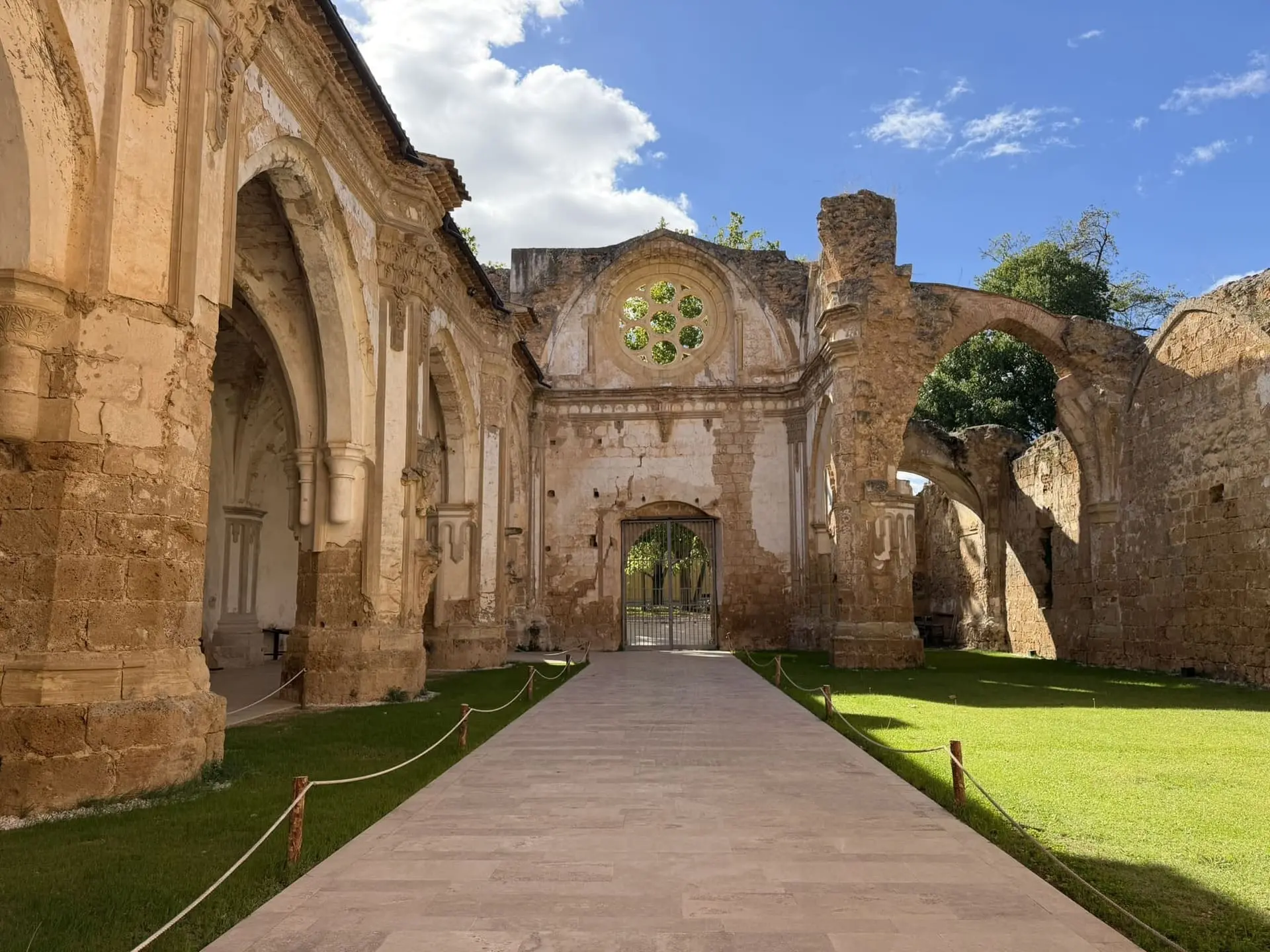
Works on the Monastery’s buildings were advanced enough as to be occupied by the monks, so on December 16th, the Transfer Ceremony of the whole community from Piedra Vieja to Piedra Nueva takes place.
1262
BISHOP GARCÍA III OF TARAZONA AUTHORIZES THE MONKS OF THE MONASTERY TO BUILD A NEW ORATORY

1380
THE MIRACLE OF THE HOLY DOUBT OCCURS IN THE CHURCH OF THE PRESENTATION, IN CIMBALLA

1390
FUTURE KING MARTÍN “THE HUMANE”, DONATES THE HOLY DOUBT RELIC TO MONASTERIO DE PIEDRA. TO HOST IT, A TRIPTYCH RELIQUARY ALTARPIECE IS BUILT
Photo: Relic of the Holy Doubt, today kept in the church of Cimballa.

1446
WORKS OF EXTENSION ARE MADE, AND AN UPPER CLOISTER IS BUILT TO HOST INDIVIDUAL CELLS FOR THE MONKS

1630
CONSTRUCTION OF A NEW CLOISTER, OF THE SAINT MARTÍN SQUARE AND OF MORE CELLS TO EXPAND THE MONASTERY

1755
BAROQUE REFORMS
Photo: Cover of the Chapel of San Inocencio
1835
CONFISCATION OF THE CHURCH WEALTHS KNOWN AS “DESAMORTIZACIÓN DE MENDIZÁBAL”

1843
THE MONASTERY IS AUCTIONED AND PURCHASED BY PABLO MUNTADAS CAMPENY

1851
J. F. MUNTADAS GIVES THE TRIPTYCH RELIQUARY ALTARPIECE TO THE SPANISH ROYAL ACADEMY OF HISTORY, IN MADRID, WHERE IT IS STILL PRESERVED TODAY

1860
THE IRIS CAVE, A FANTASTIC EXAMPLE OF KARRSIAN PHENOMENON, IS DISCOVERED AND MADE ACCESSIBLE TO THE PUBLIC.
Juan Federico Muntadas transformed the old Cistercian Monastery into a hotel. He also discovered and made possible the amazing visit of the Iris cave from the inside.
1861
MONASTERIO DE PIEDRA GUESTBOOK OF HONORED. AS SHOWN IN THIS BOOK, DURING THE TIMES OF QUEEN ISABEL II, SEVERAL MEMBERS OF THE SPANISH HIGH SOCIETY VISITED THE PLACE.
1863
TRAIN LINE MADRID-ALHAMA OPENS, MAKING IT A LOT EASIER FOR TRAVELLERS TO ARRIVE

1867
FEDERICO MUNTADAS CREATES THE FIRST FISH FARMING CENTER IN SPAIN.
Federico Muntadas created the first fish farm in Spain, naturalizing the common trout and the crab known as “ibérico”, in the waters of the Piedra river.

1873
THE FISH FARMING PROJECT RECEIVES THE MEDAL OF THE FRENCH ACLIMATATION SOCIETY, ACKNOWLEDGING ITS INTEREST AND GOOD OPERATION
1886
THE CENTRAL FISH FARM OF THE MONASTERIO DE PIEDRA IS RENTED TO THE STATE, AND MANAGED BY CENTRAL OR AUTONOMIC ADMINISTRATIONS UP UNTIL 2016

1933
MONASTERIO DE PIEDRA, S.A. IS ESTABLISHED
Monasterio de Piedra, S.A. is settled to develop tourist, agricultural and other kind of activities, in the place known as Monasterio de Piedra. 100% of its partners today are still descendants of Pablo Muntadas. Photo: Depository receipt of the shares of the Company. Num. 1 to 50.
1945
SPANISH MINISTER OF EDUCATION, IBÁÑEZ MARTÍN DECLARES THE HISTORIC GARDEN PARK OF THE MONASTERY “PARAJE PINTORESCO NACIONAL” (“NATIONAL SCENIC SITE”)
1983
NATIONAL - HISTORIC - ARTISTIC -MONUMENT

2009
“BIEN DE INTERÉS CULTURAL”(BIC)
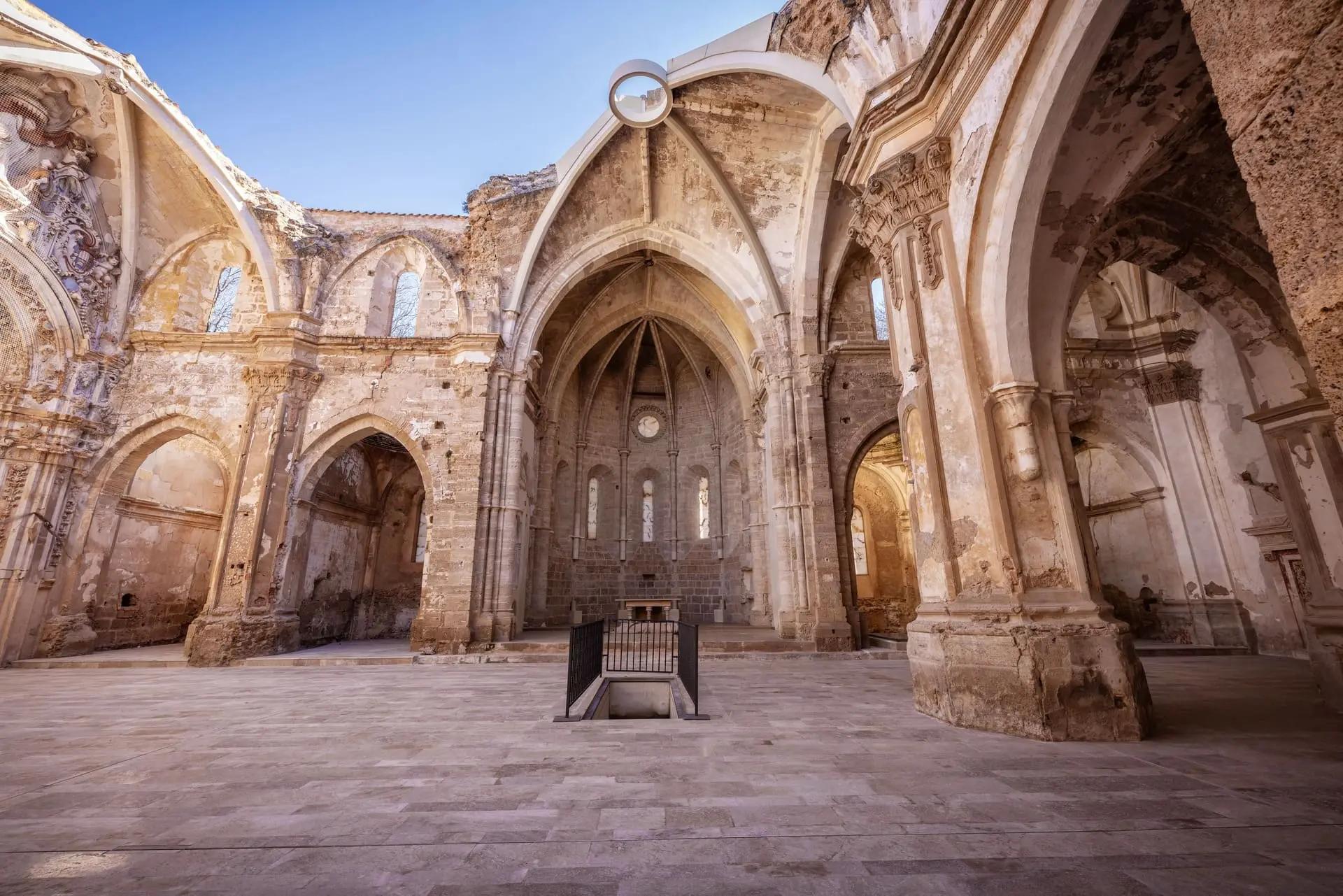
Monasterio de Piedra is officially declared Asset of Cultural Interest (Bien de Interés Cultural), in the category of Monument. This way, the Department of Education, Culture and Sports of the Government of Aragon, completes the 1983 declaration of the Monastery as a National Historic Artistic Monument and defines its protection area including the building and the area within the wall.

2011
MEDAL FOR TOURIST MERIT DELIVERED BY THE GOVERNMENT OF ARAGÓN
Acknowledging its important role in the development and awareness of tourism in Aragon, Monasterio de Piedra is awarded with the Tourist Merit Medal by the Government of Aragon.

2018
800th ANNIVERSARY OF MONASTERIO DE PIEDRA.
Commemoration of the 800th anniversary of the Translation Ceremony, when the Cistercian monks moved to the new buildings within the walls. Throughout the year, several institutional events take place such as exhibitions, a commemorative visual guide, and the first International Congress “Monasterio de Piedra, a legacy of 800 years. History, Art, Nature and Garden“.
2024
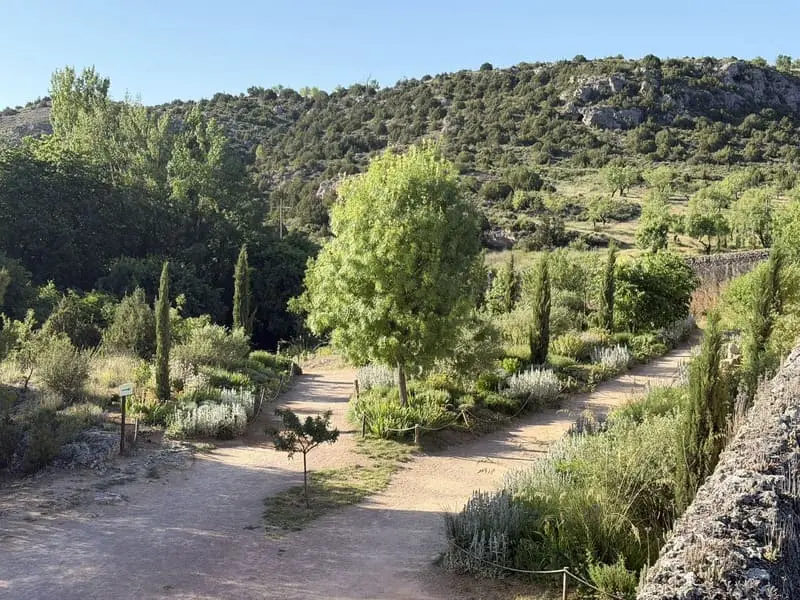
First expansion of the historic park-garden: Black Gate viewpoint
Expansion of the Historic Park-Garden route with the addition of the ‘Paseo de la Olmeda’—a botanical path leading to the ‘Mirador de la Puerta Negra’ (Black Gate Viewpoint), located next to the walled enclosure. This new space combines a sustainable garden featuring native plant species with panoramic views of the monastery and its natural surroundings.
2024
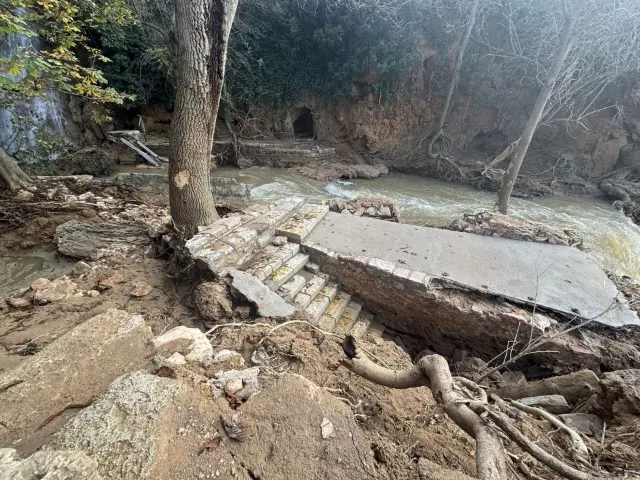
The DANA and the restoration of the historic park-garden
On October 29, a historic flood of the Piedra River—with its flow rate surging from 1 to over 90 m³ per second—caused severe damage to the Historic Park and Garden, destroying paths and access points. After five months of intensive restoration work, the Monasterio de Piedra reopened its doors, bringing an end to the longest closure in its history.
2026
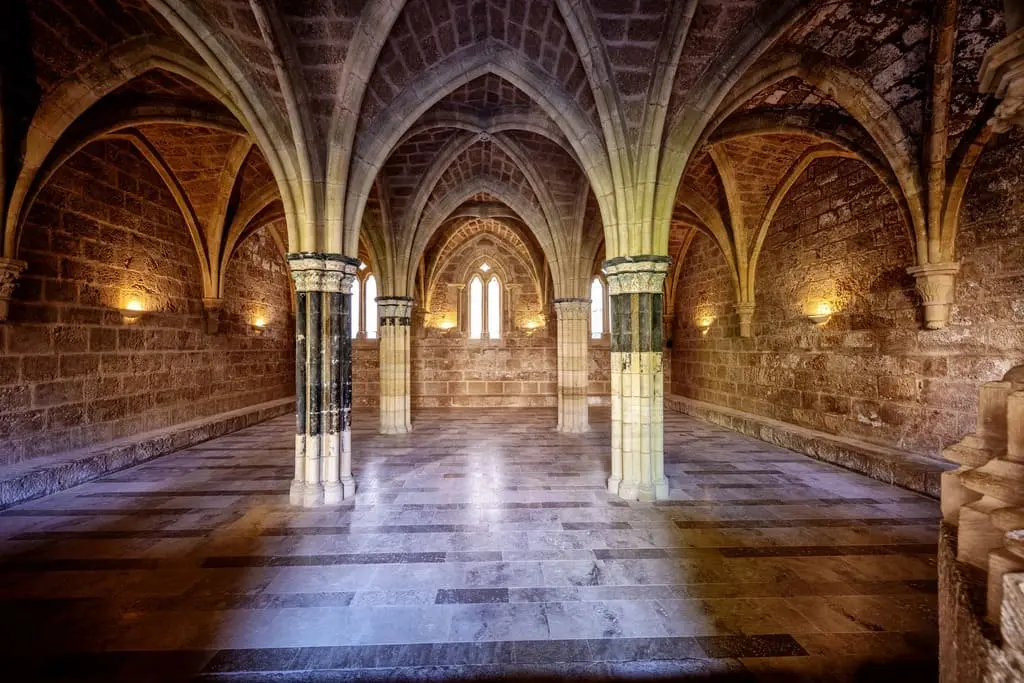
Restoration of the pavements within the monumental complex
Restoration of the flooring in the cloister, chapter house, crypt, and church. This project, covering 1,675 m², aims to restore and highlight these iconic spaces within the former monastery, improving both their preservation and the experience for visitors.
2026
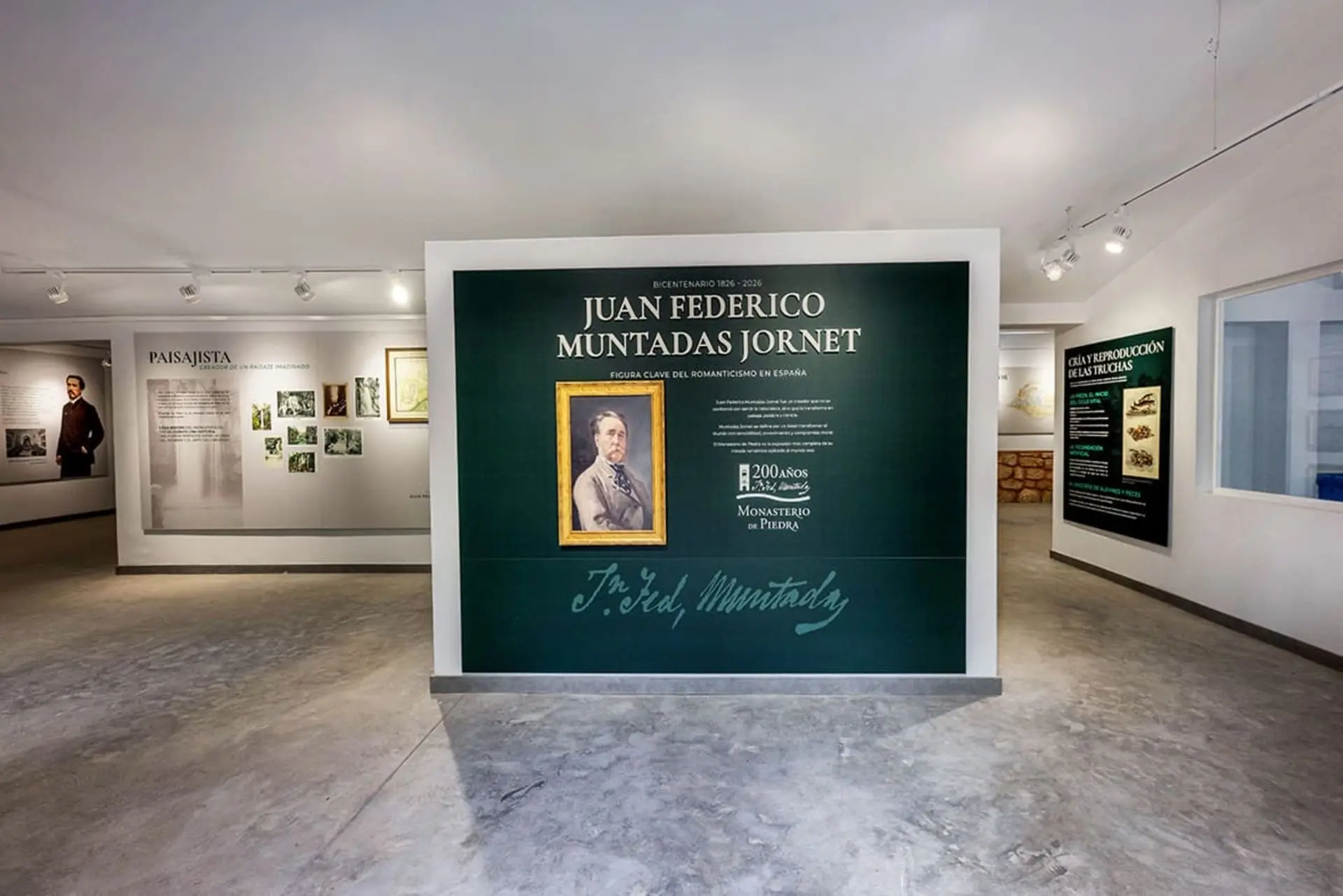
200th Anniversary of the birth of Juan Federico Muntadas Jornet
Restoration of the flooring in the cloister, chapter house, crypt, and church. This project, covering 1,675 m², aims to restore and highlight these iconic spaces within the former monastery, improving both their preservation and the experience for visitors.
2026
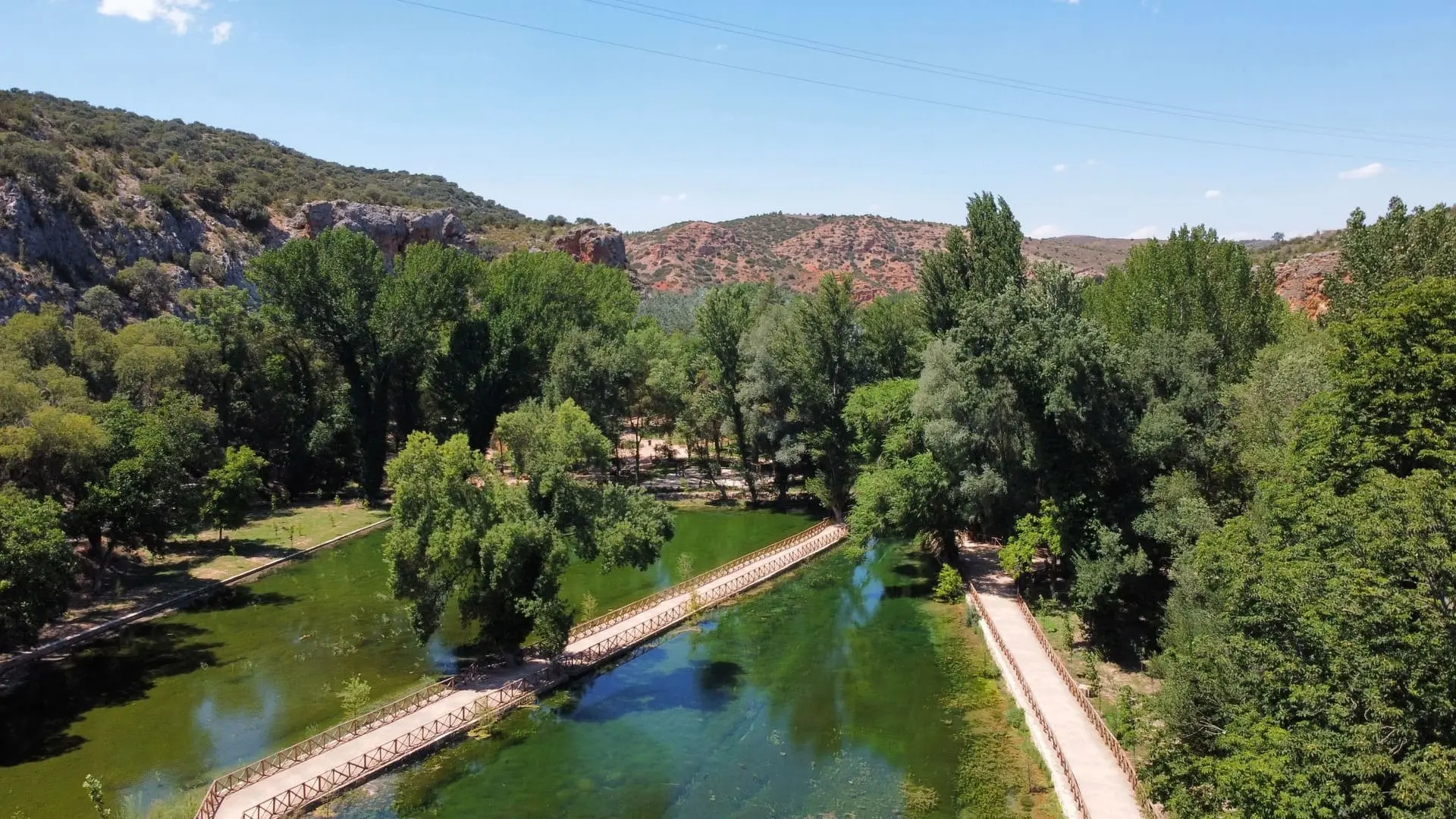
Second expansion of the historic park-garden: fish farm and Juan Federico Muntadas Jornet area
Expansion of the Historic Park-Garden route, incorporating the area surrounding the former fish hatchery—the first of its kind in Spain, founded in 1866 on the initiative of Juan Federico Muntadas Jornet. This heritage and environmental restoration project introduces new sites of historical, cultural, and natural interest, including the Juan Federico Muntadas Jornet Space, which is dedicated to his life and legacy.